Apple Cider Sourdough Doughnuts-Tangy Homemade Bliss
Apple Cider Sourdough Doughnuts are a revelation, a perfect marriage of two of my absolute favorite flavors and baking techniques. There’s something undeniably magical about the tangy complexity sourdough brings to baked goods, and when you combine that with the warm, spiced embrace of apple cider, you’ve got a flavor profile that screams autumn comfort. People adore these apple cider sourdough doughnuts because they offer a delightful chewiness, a subtle tang, and a deep, resonant sweetness that store-bought versions simply can’t replicate. What makes these apple cider sourdough doughnuts truly special is the way the natural fermentation of the sourdough starter enhances the apple cider’s natural sugars and spices, creating a doughnut that’s both incredibly flavorful and surprisingly airy. Forget your average fried treat; this is an artisanal experience for your taste buds!
Get ready to elevate your doughnut game.
This recipe is a game-changer.
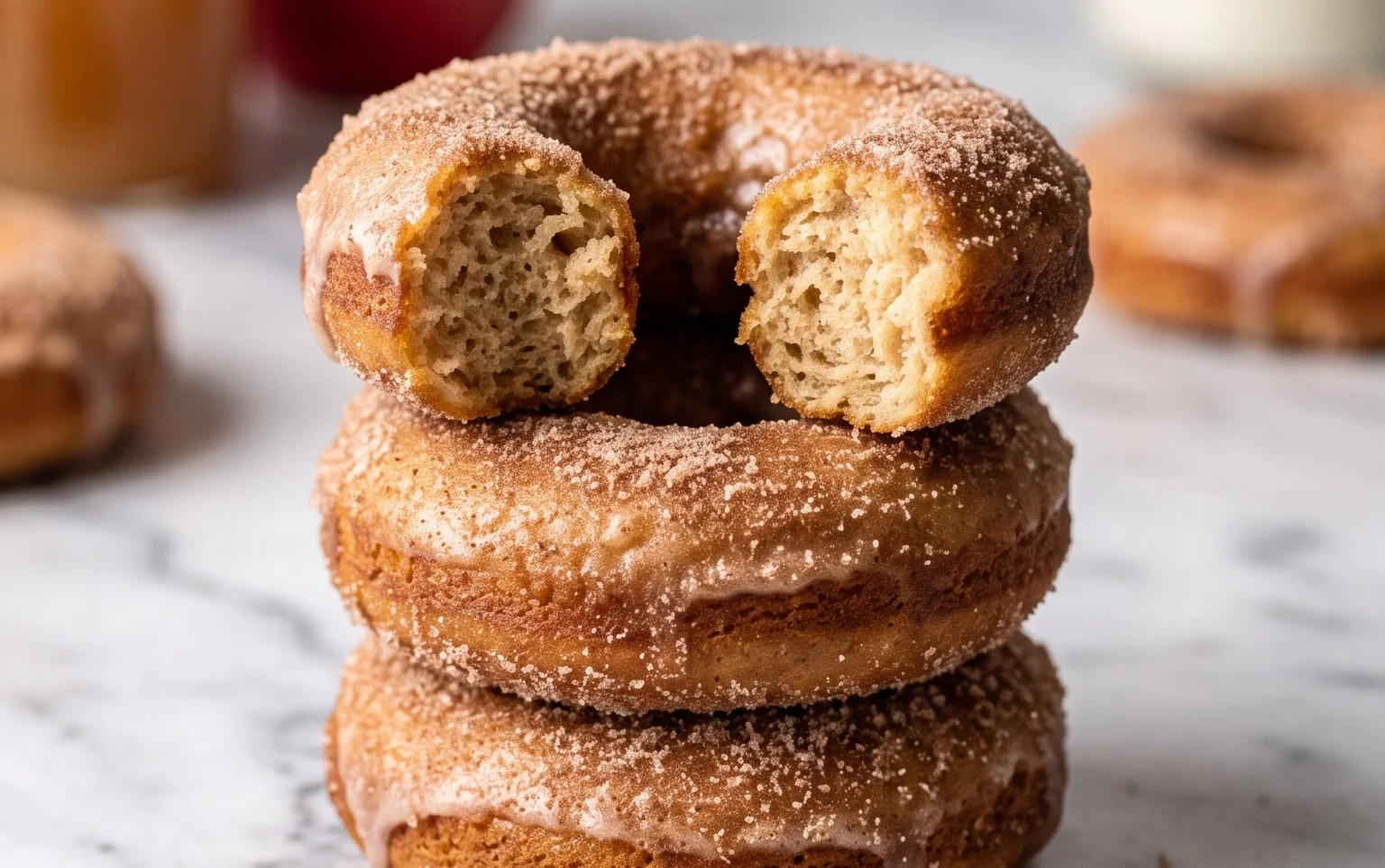
Apple Cider Sourdough Doughnuts
There’s something incredibly comforting about a warm, pillowy doughnut, and when you infuse that classic treat with the spiced goodness of apple cider and the tangy depth of sourdough, you get pure magic. These Apple Cider Sourdough Doughnuts are my go-to when I crave a little bit of homemade happiness. The sourdough starter not only adds a delightful complexity of flavor but also contributes to a wonderfully tender crumb, while the apple cider brings a hint of sweetness and a subtle autumnal aroma. They are surprisingly approachable, even for those new to working with sourdough.
Ingredients:
- ½ cup apple cider
- 2 tbsp + ½ cup sugar (separated)
- 1 tsp active dry yeast
- ½ cup 100% hydration sourdough discard
- 3 tbsp butter (melted)
- 1 egg
- ½ tsp vanilla extract
- 2 + ¼ cups all-purpose flour
- 2 tsp ground cinnamon (divided)
- 1/8 tsp ground allspice
- 1/4 tsp ground nutmeg
- 1/8 tsp ground cardamom
- ½ tsp kosher salt
- Vegetable oil, for frying
Cooking Instructions
Step 1: Activating the Yeast and Building the Dough Base
We’ll begin by waking up our yeast and getting the initial liquid base ready. In a small bowl, combine the ½ cup of apple cider and the 2 tablespoons of sugar. Warm the apple cider slightly – it should be lukewarm, not hot, as too much heat can kill the yeast. You can do this gently in the microwave or on the stovetop. Once it’s at a comfortable temperature, stir in the active dry yeast. Let this mixture sit for about 5 to 10 minutes, until it becomes foamy and bubbly. This tells us our yeast is alive and ready to do its work!
In a larger mixing bowl, or the bowl of your stand mixer fitted with a dough hook, combine the foamy yeast mixture, the ½ cup of sourdough discard, the melted butter, and the egg. Whisk these together until they are well combined. The sourdough discard will add a wonderful tang and contribute to the doughnut’s tender texture. Make sure your discard is at room temperature for the best emulsification. Add the ½ teaspoon of vanilla extract for that classic sweet aroma.
Step 2: Incorporating Dry Ingredients and Developing the Dough
Now it’s time to introduce the dry ingredients. In a separate bowl, whisk together the 2 ¼ cups of all-purpose flour, 1 teaspoon of the ground cinnamon, the allspice, nutmeg, cardamom, and the kosher salt. If you don’t have individual ground spices, you can use a pre-mixed apple pie spice blend, just be mindful of the quantities.
Gradually add the dry ingredients to the wet ingredients in your mixing bowl. If you’re using a stand mixer, start on low speed until the ingredients just start to come together. Then, increase the speed to medium-low and continue to mix for about 5 to 7 minutes, or until the dough is smooth and elastic. It should start to pull away from the sides of the bowl. If you’re mixing by hand, this will take a bit more effort, but it’s definitely achievable. Knead the dough on a lightly floured surface until it’s smooth and supple, about 8 to 10 minutes. The dough should be slightly sticky but manageable. You can test for proper gluten development by gently stretching a small piece of dough; it should stretch thinly without tearing.
Step 3: First Rise and Flavor Development
Lightly grease a clean bowl with a little oil or cooking spray. Place the dough in the greased bowl, turning it once to coat the entire surface. Cover the bowl tightly with plastic wrap or a damp kitchen towel. Let the dough rise in a warm place for about 1 to 1.5 hours, or until it has roughly doubled in size. This is where the sourdough magic really starts to happen, allowing those wild yeasts to work their tangy wonders. A good warm spot can be near a sunny window, or even inside a slightly warmed (and then turned off) oven.
Once the dough has risen, gently punch it down to deflate it. This process redistributes the yeast and helps create a more even texture in the final doughnuts.
Step 4: Shaping and Second Rise
Now for the fun part: shaping our doughnuts! Turn the dough out onto a lightly floured surface. Roll out the dough to about ½-inch thickness. Use a doughnut cutter, or two different-sized round cutters (a larger one for the doughnut shape and a smaller one for the center hole), to cut out your doughnuts. As you cut them, try to place them on parchment-lined baking sheets, leaving some space between each one. You can re-roll the scraps, but be careful not to overwork the dough.
Once they are cut, loosely cover the baking sheets with plastic wrap or a clean kitchen towel. Let the doughnuts rise again in a warm place for about 30 to 45 minutes. They won’t double in size this time, but they should puff up noticeably. This second rise is crucial for achieving that light and airy texture.
Step 5: Frying and Glazing for the Perfect Finish
It’s time to fry these beauties! Pour enough vegetable oil into a heavy-bottomed pot or Dutch oven to reach a depth of about 2 to 3 inches. Heat the oil to 350°F (175°C). It’s important to maintain this temperature; if the oil is too hot, the doughnuts will burn on the outside before they’re cooked through, and if it’s too cool, they’ll absorb too much oil and become greasy. You can use a candy thermometer or a deep-fry thermometer to monitor the temperature.
Carefully slide 2 to 3 doughnuts at a time into the hot oil, being careful not to overcrowd the pot. Fry for about 1.5 to 2 minutes per side, until they are golden brown and puffed. Use a slotted spoon or spider strainer to gently flip them and then to remove them from the oil. Place the fried doughnuts on a wire rack set over a baking sheet to drain any excess oil.
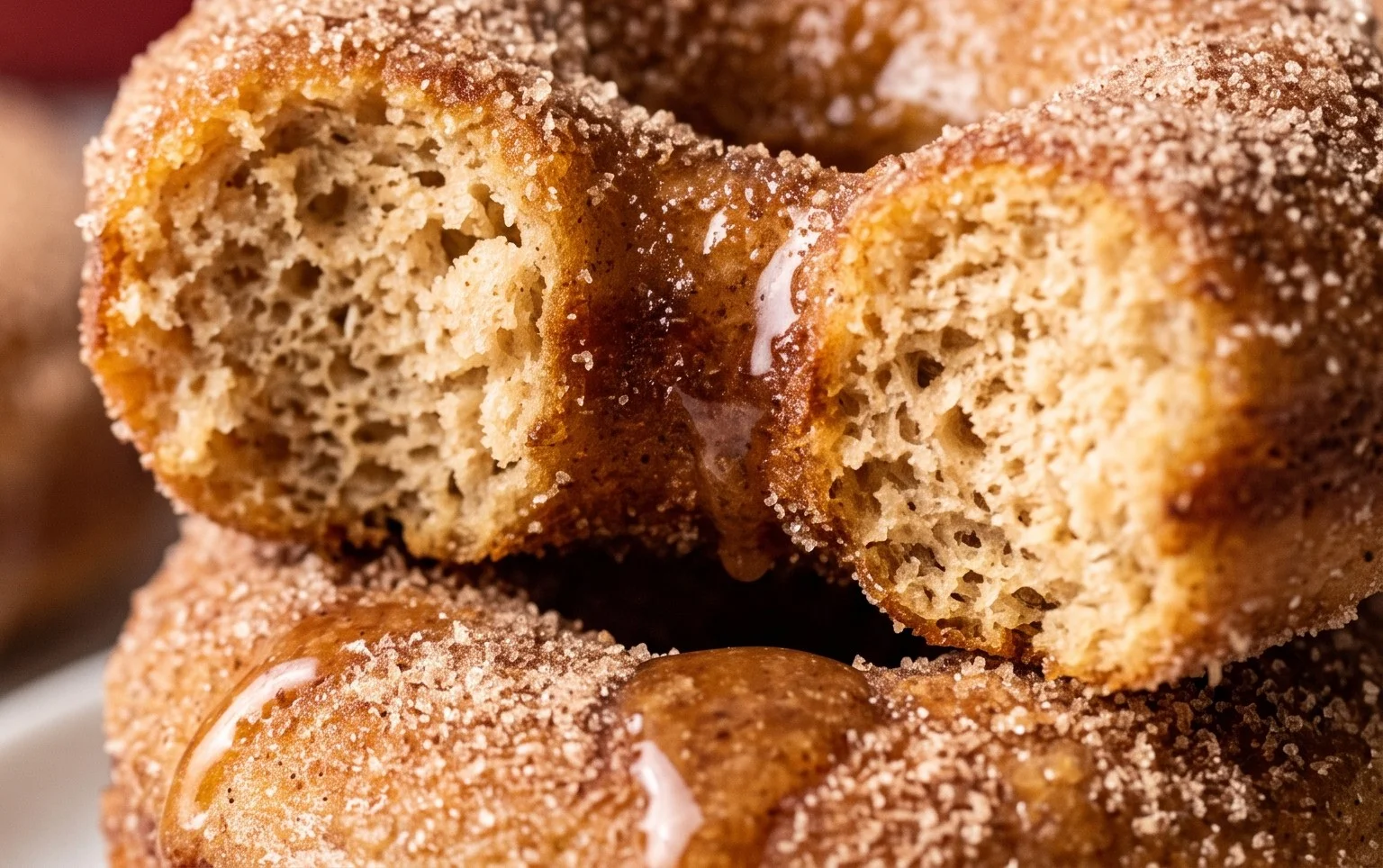
While the doughnuts are still warm, you can toss them in a cinnamon-sugar mixture. In a shallow dish, combine the remaining 1 teaspoon of cinnamon with the ½ cup of sugar. Gently roll the warm doughnuts in this mixture until they are well coated. This creates that irresistible sweet and spiced crust. Alternatively, you can make a simple apple cider glaze by whisking together powdered sugar, a splash of apple cider, and a little vanilla extract. The possibilities are endless! These doughnuts are best enjoyed fresh, while they’re still warm and wonderfully tender. Enjoy every bite!
Conclusion:
So there you have it – a truly delightful way to elevate your baking with our Apple Cider Sourdough Doughnuts! This recipe is a triumph because it marries the tangy complexity of sourdough with the comforting sweetness of apple cider, creating a doughnut that’s both nuanced and wonderfully familiar. The result is a light, airy crumb with a slightly chewy exterior, perfect for soaking up your favorite glazes or simply enjoying their natural, rustic charm. Imagine a crisp autumn morning, a warm cup of coffee, and a freshly fried apple cider sourdough doughnut in your hand – pure bliss!
These doughnuts are incredibly versatile. For a classic treat, a simple cinnamon-sugar coating is divine. You can also whip up a spiced apple cider glaze, or even a caramel drizzle. For those who love a little extra zing, consider adding a pinch of nutmeg or a touch of ground ginger to the dough. Don’t be afraid to experiment with your favorite fall flavors!
I truly encourage you to give this Apple Cider Sourdough Doughnut recipe a try. It’s a rewarding baking project that yields spectacular results. You might be surprised at how accessible sourdough can be, and the payoff is absolutely worth it. Happy baking!
Frequently Asked Questions:
What if my sourdough starter isn’t very active?
For the best results with your Apple Cider Sourdough Doughnuts, ensure your starter is at its peak activity before you begin. This means it should be recently fed, bubbly, and have doubled in size within a few hours. If your starter is sluggish, try feeding it a couple of times a day for a few days beforehand to invigorate it. A strong starter is key to achieving that signature sourdough tang and airy texture.
Can I bake these doughnuts instead of frying them?
While frying is traditional for achieving that perfect doughnut texture, you can certainly bake them! You might want to use a doughnut pan and potentially increase the baking time slightly. Baked sourdough doughnuts will have a different texture – more like a cake doughnut – but they can still be delicious, especially when glazed or coated. It’s a great option if you prefer to avoid frying.
Apple Cider Sourdough Doughnuts
Deliciously tangy and subtly sweet doughnuts made with the goodness of sourdough discard and warm apple cider.
Ingredients
-
½ cup apple cider
-
2 tbsp sugar
-
½ cup sugar
-
1 tsp active dry yeast
-
1/2 cup 100% hydration sourdough discard
-
3 tbsp butter, melted
-
1 egg
-
½ tsp vanilla extract
-
2+ 1/4 cups all-purpose flour
-
2 tsp ground cinnamon
-
1/8 tsp ground allspice
-
1/4 tsp ground nutmeg
-
1/8 tsp ground cardamom
-
½ tsp kosher salt
Instructions
-
Step 1
In a small bowl, warm the apple cider slightly (about 105-115°F). Stir in 2 tablespoons of sugar and the active dry yeast. Let it sit for 5-10 minutes until foamy. -
Step 2
In a large bowl, combine the sourdough discard, melted butter, egg, and vanilla extract. Whisk to combine. -
Step 3
Add the foamy yeast mixture to the wet ingredients. Stir in the remaining ½ cup sugar, all-purpose flour, 1 ½ tsp of the cinnamon, allspice, nutmeg, cardamom, and kosher salt. Mix until a shaggy dough forms. -
Step 4
Turn the dough out onto a lightly floured surface and knead for 5-7 minutes, or until smooth and elastic. Place the dough in a lightly oiled bowl, cover, and let rise in a warm place for 1-2 hours, or until doubled in size. -
Step 5
Punch down the dough and roll it out to about ½ inch thickness. Cut out doughnuts using a doughnut cutter or two different-sized round cutters. Place the doughnuts on parchment-lined baking sheets, cover loosely, and let rise for another 30-45 minutes. -
Step 6
Heat about 2-3 inches of neutral oil in a heavy-bottomed pot to 350°F (175°C). Carefully fry the doughnuts in batches, about 1-2 minutes per side, until golden brown. -
Step 7
Remove doughnuts from the oil and drain on a wire rack set over paper towels. While still warm, toss in a mixture of the remaining ½ tsp cinnamon and ½ cup sugar.
Important Information
Nutrition Facts (Per Serving)
It is important to consider this information as approximate and not to use it as definitive health advice.
Allergy Information
Please check ingredients for potential allergens and consult a health professional if in doubt.